A behind-the-scenes look at how a travel advisor monitors Italy’s strike season before it affects a client’s trip, including how Italian labor law works, which services get hit most often, and what advance notice actually means for your itinerary. Written for travelers who want someone paying attention to the details they don’t know to look for.
Last spring, a client’s Rome to Florence train was canceled the morning of their trip. They found out from me before they found out from the train station.
That’s not luck. That’s what monitoring looks like.
Italy has a strong labor union culture, and strikes, called scioperi, are a regular part of traveling there. Trains, flights, buses, even museums. If you’re planning an Italy trip and no one has mentioned this to you yet, that’s a problem worth fixing before you’re standing on a platform with nowhere to go.
Here’s what strike season actually looks like in Italy, which sectors get hit most often, and how I stay ahead of it for my clients.
Italy Has More Strikes Than Most People Expect
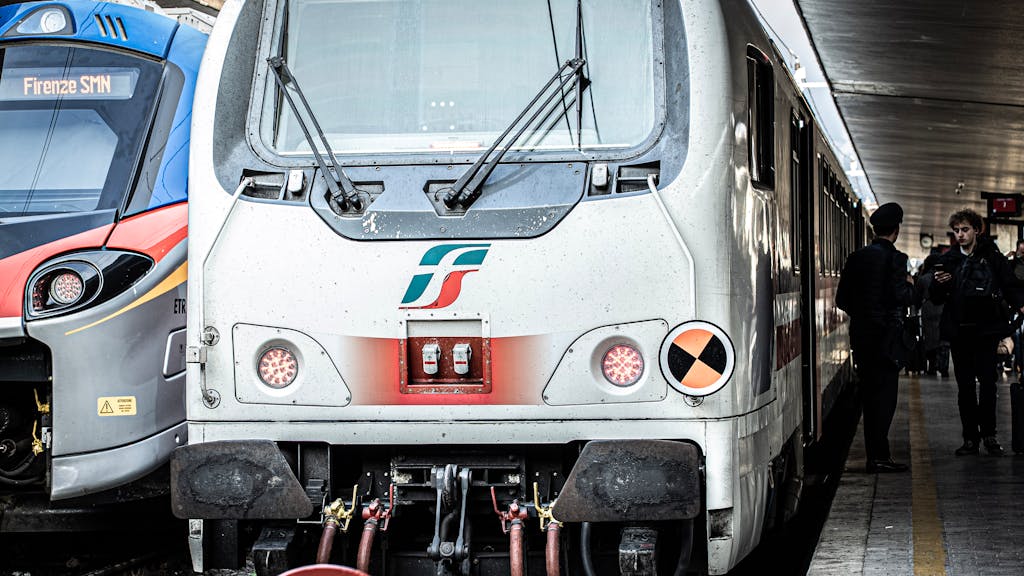
Italy ranks among the highest in Europe for labor strike frequency. Strikes can affect national rail (Trenitalia and Italo), regional trains, city buses and metros, airport ground crews, and occasionally public sites like museums or cultural institutions.
They tend to cluster in certain seasons, particularly spring and fall, when union contracts are up for renewal or labor disputes come to a head. But strikes can be called at almost any time of year, which is why monitoring has to be ongoing, not just a pre-trip scan.
The other thing that catches travelers off guard: strikes in Italy are often called on Fridays or Mondays. Not always, but often enough that it’s a pattern worth knowing. A long weekend strike can disrupt travel days that seem perfectly planned on paper.
Here’s the Part Most Travelers Don’t Know
Italian law requires that strikes in essential public services be announced in advance, typically 10 days or more before they happen. That advance notice gets filed with the Italian Ministry of Infrastructure and Transport, and it’s publicly available.
That matters because it means strikes are usually knowable before they happen. Not always, and not with perfect detail, but a traveler or advisor who’s paying attention can often see disruptions coming before they hit.
The other piece of Italian strike law worth knowing is the fascia di garanzia, or guaranteed service window. During a strike, essential transport services are required to run during certain hours, typically morning and evening rush periods, to ensure people can get to work. For travelers, this means a strike doesn’t necessarily mean zero service. It means reduced, unpredictable service, with some windows more reliable than others.
Understanding both of these things, the advance notice system and the minimum service rules, changes how you respond to a strike. It gives you options instead of just chaos.
What I Actually Watch
When a client has an Italy trip on the books, I keep an eye on a few things leading up to their travel dates.
The Italian Ministry of Infrastructure and Transport publishes upcoming strikes through its official channels. Italian news sources cover strike announcements, particularly for Trenitalia and airport workers, often within hours of a proclamation. I also pay attention to the specific travel days my clients have, because a strike that falls on a random Tuesday matters a lot more if that’s the day someone is taking a train from Naples to Rome to catch an international flight.
The goal isn’t to predict every disruption. It’s to catch the ones that are announced, understand what they actually affect, and communicate with clients before they’re scrambling to figure it out themselves.
How This Changes the Way I Build Itineraries
Knowing that strikes happen informs how I plan, not just how I monitor.
For clients with hard departure flights or time-sensitive connections, I think carefully about which legs of the trip involve trains or public transport and where we can build in buffer. A client who needs to be at Fiumicino by noon doesn’t have the same flexibility as someone with an afternoon departure, and I plan accordingly.
When a high-speed train route is central to the itinerary, I note the alternative options early, whether that’s a different rail provider, a private transfer, or adjusting the day’s structure. That way, if something does get called, we’re not starting from zero.
I also make sure clients know before they travel that strikes are a possibility, not to alarm them, but so they’re not blindsided if I reach out with an update mid-trip. A heads-up from your advisor feels very different from a cancellation notice from an app.
What to Do If You’re Traveling on Your Own
If you’re heading to Italy without an advisor, a few things will help.
Bookmark the Trenitalia and Italo websites and check them a few days before any train travel. Italian news sites, particularly Corriere della Sera and La Repubblica, cover major strike announcements consistently. Search “sciopero” along with the date or service you’re traveling on.
If you’re in the middle of a strike and trains are running on the guaranteed service schedule, stick to the morning or evening windows when possible. Midday service during a strike is often the most unreliable.
And if you have a flight to catch and a train involved in that connection, always have a backup plan. A private transfer costs more than a train ticket. A missed international flight costs significantly more than a private transfer.
If you’re working with me, that’s my job to think through before it becomes your problem. Here’s where to start if you want someone tracking this alongside you.
The Bottom Line
Italy is worth every bit of the planning it requires. The food, the history, the pace of life when you’re actually there and not stressed about logistics — it’s genuinely great. But it rewards travelers who go in prepared, and strike season is one of those things that’s easy to overlook until it isn’t.
Knowing it exists, knowing how it works, and having someone who’s watching for it is a different kind of travel experience. That’s what I’m here for.
When is Italy’s strike season? Strikes in Italy tend to cluster in spring and fall when labor contracts are up for renewal, but they can be called at almost any time of year. They’re also more common on Fridays and Mondays, which makes them particularly disruptive for travelers with weekend itineraries or tight departure schedules.
Will I know about a strike before it happens? Often, yes. Italian law requires that strikes affecting essential public services be announced at least 10 days in advance, and those notices are publicly available. That advance window is exactly what a travel advisor monitors so clients hear about potential disruptions before they’re standing on an empty platform.
Does a strike mean all trains and buses stop running? Not necessarily. Italian law also requires a minimum level of service during strikes on essential transport routes, typically during morning and evening hours. That means some trains will still run, but service is reduced and unpredictable. If you have a flight to catch or a time-sensitive connection, reduced service is still a real risk, which is why having a backup plan in place before a strike hits matters.